


UAE BUSINESSES WILL PAY NEW MUSIC LICENSING FEES FROM DECEMBER 2026
Restaurants, clubs, hotels, gyms, shopping centres and radio stations will face new annual charges for playing copyrighted music commercially

Businesses across the UAE will be required to pay annual licensing fees to publicly play protected music from December 2026, under a new nationwide framework issued by the Ministry of Economy and Tourism.
The new Collective Management in Music Guide introduces standardised tariffs for restaurants, cafés, nightlife venues, hotels, gyms, retailers, shopping centres, broadcasters and other organisations using copyrighted music as part of their commercial activities.
The changes mean that simply having a personal subscription to a streaming platform will not give a business the legal right to play that music publicly. Instead, venues will require a commercial music licence, with annual costs determined by factors including venue size, capacity and how music is used.
HOW MUCH WILL RESTAURANTS AND CAFÉS PAY?
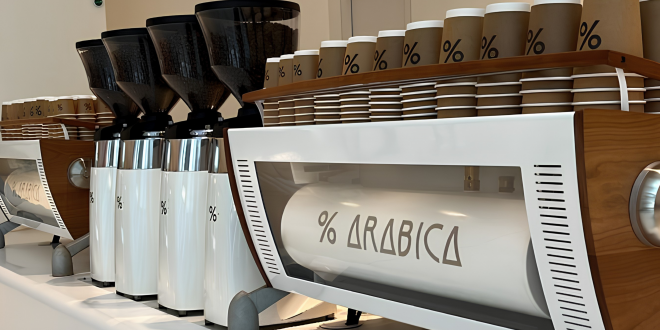
For restaurants and cafés without DJ services, annual fees will begin at AED 1,500 for venues with up to 50 seats.
Venues with 51 to 100 seats will pay AED 2,700, while those with 101 to 200 seats will pay AED 4,800.
For venues exceeding 200 seats, an additional AED 20 per seat will apply, with the annual charge capped at AED 6,000.
VENUES WITH DJS WILL PAY MORE
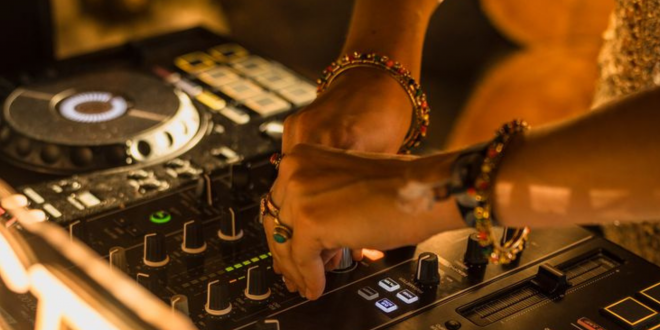
The new framework introduces higher tariffs for restaurants and cafés offering DJ services, as well as entertainment clubs and similar nightlife venues.
Annual fees start at AED 2,500 for venues with up to 50 seats, increasing to AED 3,500 for those accommodating between 51 and 100 people.
Venues with 101 to 200 seats will pay AED 6,500, while those exceeding 200 seats will be charged an additional AED 20 for each extra seat, with fees capped at AED 8,000 annually.
For Dubai and the wider UAE's nightlife industry, the new system creates a defined annual cost for venues using copyrighted music as a fundamental part of their entertainment offering.
SHOPS, MALLS AND GYMS ARE ALSO INCLUDED
The licensing system extends beyond hospitality and nightlife.
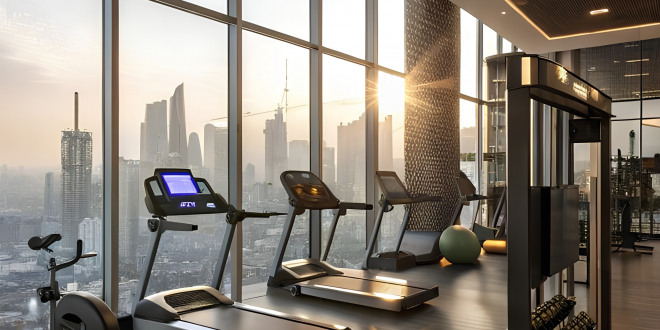
Retail stores and commercial complexes measuring up to 300 square metres will pay AED 1,700 annually, while spaces between 301 and 700 square metres will pay AED 3,400.
Larger premises will pay an additional AED 60 for every 25 square metres, up to a maximum annual charge of AED 20,000.
Major shopping centres will be charged AED 625 for their first 100 square metres of common areas, followed by AED 50 for each additional 25 square metres, with annual charges capped at AED 50,000.
Fitness centres measuring up to 300 square metres will pay AED 1,700 per year, with an additional AED 5 charged for every square metre above that threshold. Annual gym fees will be capped at AED 6,000.
HOTELS WILL PAY BASED ON ROOMS AND STAR RATING
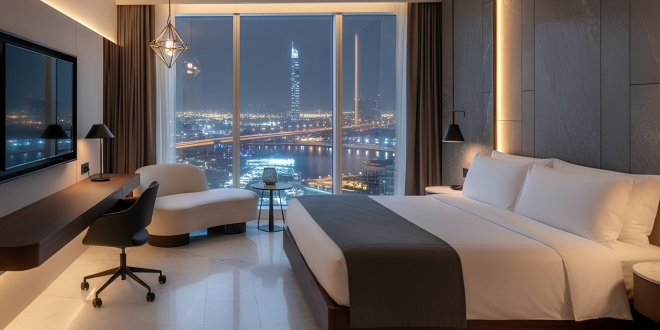
Hotels and floating hotels will be charged according to both their classification and number of rooms.
Fees begin at AED 50 per room for one- and two-star hotels and rise to AED 150 per room for four- and five-star properties, with fixed bands applying across the different classifications.
For properties in the highest category, annual charges will be capped at AED 25,000.
NEW FEES FOR RADIO AND TELEVISION
Broadcasters will also be covered by the new framework.
General-programming radio stations will pay 1% of their annual income, while music-focused stations will pay 3%.
General television channels will also pay 1% of annual income, while news channels will be charged 0.25%. Both radio and television stations will be subject to a minimum annual fee of AED 1,700.
Airlines offering integrated entertainment services are also included, with annual charges based on the number of seats covered. Fees will begin at AED 5,000 and rise to a maximum of AED 45,000 per year.
WHY ARE BUSINESSES BEING CHARGED?
The fees cover licences allowing copyrighted musical works to be publicly used as part of a commercial activity.
Personal streaming subscriptions only provide personal listening rights and do not automatically give businesses permission to play copyrighted tracks publicly for customers.
The new fees will be collected through the UAE's two licensed collective music management organisations, the Emirates Music Rights Association and Music Nation.
These organisations will then distribute royalties to the rights holders they represent, which can include composers, lyricists, performers, musicians, producers and publishers.
Businesses covered by the framework will receive a one-year licence, which can then be renewed in accordance with the applicable conditions.

WHO WON'T HAVE TO PAY?
Not every use of music will be subject to the new charges.
Educational and academic institutions, government entities, national occasions and non-commercial personal celebrations are exempt under the framework.
The Ministry of Economy and Tourism will also have the ability to introduce additional exemptions through separate decisions.
10% WILL SUPPORT THE UAE MUSIC INDUSTRY
The new framework also establishes a Cultural Support Fund for Music, which will receive 10% of the total amounts collected before royalties are distributed to rights holders.
The fund is intended to support music composition, production, distribution and live performances, alongside emerging artists, training programmes and initiatives promoting Emirati music both regionally and internationally.
It will be overseen by the Ministry of Economy and Tourism and managed through a joint committee that also includes representatives from the Ministry of Culture.
The wider framework aims to create a clearer and more consistent approach to music licensing across the country while strengthening copyright protections and ensuring creators and rights holders are compensated when their work is commercially used.
The new music licensing fees will officially take effect at the beginning of December 2026.
