


ELECTRONIC MUSIC'S COMPLICATED RELATIONSHIP WITH THE GRAMMYS
As the Grammys roll on, electronic music remains influential, overlooked, and firmly rooted in the underground.
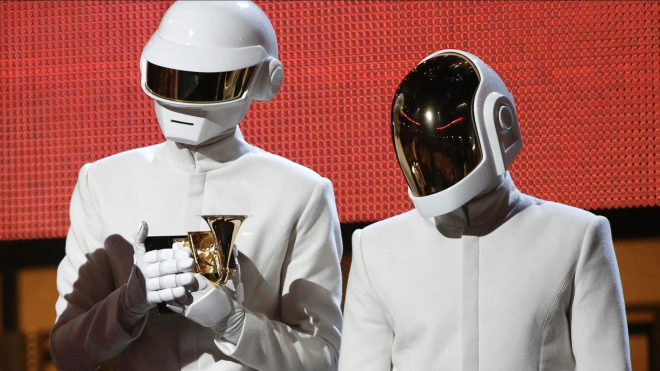
As the Grammys once again shine a spotlight on global music, electronic music remains both influential and underrepresented with only 2 categories relevant to this unappreciated side of the music industry. From Daft Punk’s rare crossover moments to today’s underground innovators, club culture continues to exist on its own terms.

Electronic music has never sat comfortably within the Grammys’ framework with it being lugged into the ‘Best Dance/Electronic Recording’ categories. Besides Camelphat's 2017 hit with Elderbrook ‘Cola’, The Grammys has been built around radio hits, chart success and mainstream visibility, the awards system has often struggled to reflect a culture that thrives in dark rooms, late hours and local scenes.
There have been exceptions. Daft Punk’s Random Access Memories sweep in 2014 marked a rare moment where electronic music wasn’t treated as a niche, but as a central force in modern sound. Their victory felt symbolic, a recognition not just of two artists, but of decades of dance music shaping pop, fashion and nightlife worldwide.
Yet for every crossover moment, countless innovators remain invisible to awards culture. Techno, house and their many offshoots evolve rapidly in underground spaces: warehouses, clubs, DIY venues, where success isn’t measured in trophies, but in shared experience and community.

The Grammys continue to group electronic music into tightly defined categories, often overlooking scenes that don’t align with commercial expectations with the ‘Best Dance/Electronic recording’ Winner being Tame Impala - End Of Summer while the true culture and their nominees such as Fred Again, Disclosure and Skrillex fell short. Meanwhile, producers and DJs push boundaries in sound design, rhythm and performance without ever aiming for mainstream validation.
In regions like the Middle East, including the UAE, this disconnect exists a lot less. Local and international artists build moments through their music and the fans in the UAE recognise it for what it is… pure sound. The influence is global, but the recognition rarely follows it.
Electronic music’s relationship with the Grammys remains complicated, occasionally intersecting, often misaligned. But perhaps that’s the point. Techno and house were never designed for red carpets. They were built for movement, connection and moments that can’t be judged by a panel.
Long after the awards end, the dance floor will always remain.

