


OVER 80% OF GEN Z MUSIC FANS EXPERIENCE HEARING ISSUES AFTER NIGHTS OUT
New research from the RNID found that ringing, buzzing and muffled hearing are common among young music fans, while just 7% say they always wear earplugs at loud events
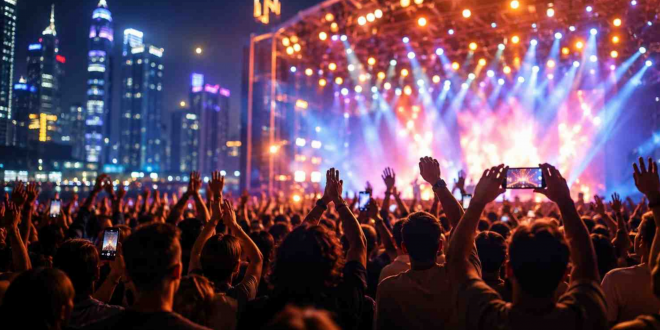
More than 80% of Gen Z music fans have experienced hearing problems after attending a loud music event, according to new research highlighting the potential impact of clubbing, festivals and concerts on young people's hearing.
The study, conducted by the Royal National Institute for Deaf People (RNID) and Censuswide, surveyed 2,000 adults aged between 20 and 29 and found that 83% had experienced ringing, buzzing or muffled hearing after a music event.
Despite the high number reporting symptoms, the research found that hearing protection remains relatively uncommon among young music fans.
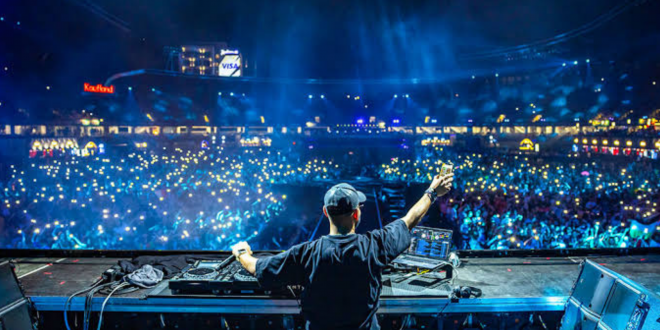
According to the report, 28% of respondents attend loud music events at least once a week, while 51% said they attend at least once a month.
However, only 7% said they always wear earplugs during a night out.
One in five respondents said they often use earplugs, while 35% said they rarely or never use hearing protection.
The research also highlighted some of the attitudes preventing young people from protecting their hearing, with respondents reporting that they would feel embarrassed wearing earplugs at music events.
Perhaps more concerningly, 23% said they don't believe they need hearing protection at loud music events at all.

The ringing, buzzing or muffled hearing that can follow a loud night out is sometimes referred to as a "hearing hangover", but the RNID warns that these symptoms shouldn't simply be dismissed as a normal part of clubbing.
Franki Oliver, Audiology Manager at RNID, said the findings demonstrate how regularly young people could be exposing themselves to potentially harmful noise levels.
“Our new research highlights just how often young people could be exposing their ears to dangerously loud music,” she said.
Oliver explained that experiencing ringing, buzzing or muffled hearing after listening to loud music can be a warning sign that the ears have been exposed to damaging levels of noise.
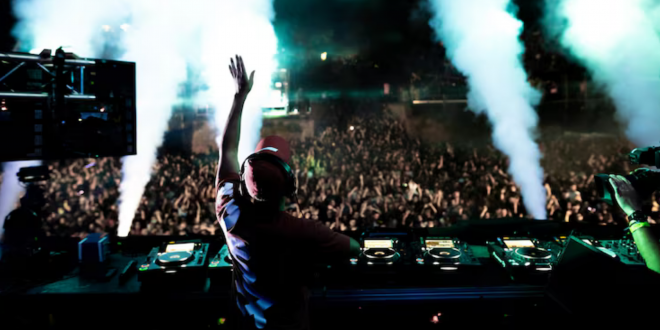
The findings arrive as conversations around hearing health within nightlife and electronic music continue to grow.
For DJs, artists, industry professionals and regular clubbers, exposure to loud sound can be a frequent part of life, making hearing protection increasingly important for those spending significant amounts of time in high-volume environments.
The RNID study specifically surveyed people aged 20 to 29 who did not already report hearing loss or difficulty hearing, making the prevalence of temporary symptoms following music events particularly notable.
With 83% experiencing some form of ringing, buzzing or muffled hearing, the research suggests that protecting your ears on the dancefloor may deserve the same consideration as any other part of preparing for a night out.

